
Does Ozempic Cause Hair Loss? Why It Happens & Expert Advice
📌 Inside This Guide
Discover whether hair thinning is a direct side effect of GLP-1 therapy, the role of telogen effluvium during rapid weight loss, and actionable clinical adjustments you can implement immediately to protect your hair density.
Ozempic has become one of the most popular medications for medical weight management and blood sugar control. But as more people begin treatment, many are asking an important question: does Ozempic cause hair loss?
If you have noticed shifts in your hair volume since starting your medication, you are not alone. Understanding the relationship between medical weight loss and temporary hair shedding can help you manage your symptoms effectively while staying on track with your long-term health goals.
What Is Ozempic?
⚡ Section Summary: Ozempic is a GLP-1 medication engineered for blood sugar regulation and metabolic management.Ozempic is an injectable prescription medication containing semaglutide. It mimics the natural GLP-1 hormone to help manage type 2 diabetes and support metabolic health by slowing digestion and lowering overall appetite signals.

Can Ozempic Cause Hair Loss?
⚡ Section Summary: Hair shedding is rarely a direct response to the drug itself; instead, it is an indirect result of rapid caloric changes.There is currently no strong clinical evidence showing that semaglutide directly attacks hair follicles. Instead, hair thinning during treatment is typically an indirect result of rapid weight loss or sudden dietary shifts, which can trigger a temporary shedding phase called telogen effluvium.
Understanding Telogen Effluvium
When the human body undergoes a swift metabolic transformation or experiences a sudden drop in daily caloric intake, it prioritizing vital organs over non-essential functions like hair production. This shifts a higher percentage of active hairs into a resting phase, resulting in noticeable shedding 2 to 4 months later.
Why Hair Loss May Happen During Treatment
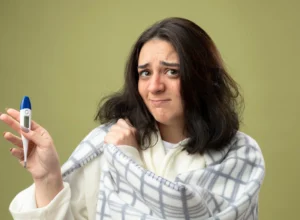
- Rapid Weight Loss: Dropping weight quickly shocks your metabolic rhythm, disrupting normal hair cycles.
- Low Protein Intake: Because appetite drops significantly, many patients accidentally under-consume the required amino acids necessary to build hair structures.
- Nutrient Deficiencies: Reduced overall food intake can lead to lower baselines of vital micronutrients like Iron, Zinc, Vitamin D, and Biotin.
How to Manage and Prevent Hair Shedding
⚡ Section Summary: Prioritizing precise protein metrics and steady lifestyle pacing will naturally stabilize hair health.Fortunately, telogen effluvium is completely temporary. To help protect your hair while remaining on GLP-1 therapy, consider the following clinical lifestyle shifts:
- Prioritize Protein Intake: Aim to anchor every meal around lean proteins, lean meats, fish, or plant-based protein configurations.
- Avoid Extreme Caloric Deficits: Pacing your weight loss at a steady, sustainable rate reduces systemic stress on the body.
- Monitor Your Labs: Work with a provider to ensure your baseline vitamin values stay balanced throughout your journey.
When Should You Talk to Your Healthcare Provider?
While minor shedding can be expected during any major weight shift, you should consult your clinical team if you experience patchy hair loss, sudden bald spots, or shedding that continues long after your weight has completely stabilized.
Struggling with Side Effects or Weight Care Decisions?
Connect with our dedicated, Florida-licensed clinical team to optimize your dosage strategy, lifestyle tracking, and custom care plan.
Start Free Consultation →