
Ozempic for Weight Loss: Complete Guide (2026)
📌 Inside This Guide
Understand the metabolic pathways of semaglutide, follow a typical progress timeline from month one onward, and review standard safety protocols to navigate adjustments effectively.
Ozempic for weight loss has become one of the most widely discussed medical weight loss treatments in recent years. Originally developed for blood sugar control in type 2 diabetes, it is now commonly used under medical supervision for weight management due to its strong effect on appetite regulation and metabolism.
Unlike traditional weight loss methods, Ozempic works by targeting the biological drivers of hunger, making it easier to reduce calorie intake without extreme dieting.
For a broader understanding of how this class of medications works, you can explore the GLP-1 master guide which explains the hormonal mechanisms behind treatments like Ozempic.
What Is Ozempic and How It Helps With Weight Loss
⚡ Section Summary: A target GLP-1 hormone receptor agonist designed to delay gastric signals and manage appetite.Ozempic is a GLP-1 receptor agonist that mimics a natural hormone responsible for regulating appetite and blood sugar.
It helps with weight loss by:
- Reducing hunger signals in the brain
- Slowing digestion so you feel full longer
- Improving insulin response
- Reducing cravings and emotional eating
This combination makes it easier for patients to naturally eat less without feeling constantly deprived. In many cases, people begin noticing reduced appetite within the first few weeks of treatment.
How Ozempic Leads to Weight Loss
⚡ Section Summary: Sustained weight shifts occur through appetite controls that steadily create caloric adjustments.Ozempic supports weight loss through consistent appetite suppression and metabolic regulation rather than rapid fat burning. It helps create a sustained calorie deficit by:
- Making smaller portions feel more satisfying
- Reducing snacking frequency
- Stabilizing blood sugar levels throughout the day
- Improving satiety after meals
This is why it is considered a long-term weight management treatment rather than a quick fix.
Ozempic Weight Loss Results Timeline
⚡ Section Summary: Minor tracking adjustments appear within weeks, leading to visible progress across months 1 to 3.One of the most common questions is what results to expect and how quickly they appear. In general:
- First few weeks: reduced appetite and smaller food intake
- 1 month: noticeable changes in eating habits and early weight loss
- 2 to 3 months: visible fat loss begins
Ozempic weight loss results 1 month can vary depending on dosage, diet, and lifestyle consistency, but most users report early appetite suppression during this phase. Over time, results become more consistent as the body adapts to the medication.
Ozempic Dosage Guide for Weight Loss
⚡ Section Summary: Step-by-step titration schedules minimize baseline side effects as metabolic pathways adapt.The dosage structure follows a gradual escalation approach designed to improve tolerance and minimize side effects. A typical progression includes:
- Starting with a low dose to allow body adjustment
- Gradually increasing dosage over several weeks
- Reaching a maintenance dose based on response
- Adjusting if side effects or plateau occurs

This step-by-step structure is important because higher starting doses can increase gastrointestinal side effects and reduce adherence. Proper dosing plays a key role in achieving sustainable results.
Ozempic Side Effects and Safety
⚡ Section Summary: Gastrointestinal adjustments are usually mild and temporary during baseline treatment periods.Ozempic is generally well tolerated, but like all GLP-1 medications, it may cause side effects, especially during early treatment. Common effects include:
- Nausea
- Bloating or digestive discomfort
- Reduced appetite
- Mild fatigue
These effects are usually temporary and improve as the body adjusts. Ozempic weight loss side effects are most noticeable during dose increases, which is why gradual titration is important. For most patients, side effects reduce significantly after the first few weeks of treatment.
Ozempic Before and After Results
⚡ Section Summary: Sustainable aesthetic transformations align with long-term tracking consistency.Ozempic before and after results typically show gradual but steady changes rather than sudden transformation. Most individuals experience:
- Reduced appetite within weeks
- Noticeable weight loss within 1–3 months
- Continued fat loss over longer use
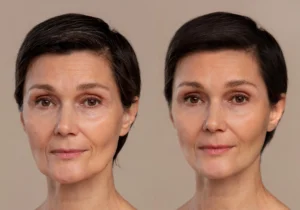
Results depend heavily on consistency, lifestyle habits, and correct dosing. Sustainable outcomes are usually seen when Ozempic is combined with structured dietary improvements.
Who Is a Good Candidate for Ozempic
⚡ Section Summary: This pathway serves individuals navigating chronic metabolic weight challenges.Ozempic is typically recommended for individuals who:
- Struggle with long-term weight management
- Have difficulty controlling appetite
- Have a BMI in the overweight or obese range
- Have not achieved results through diet alone
Medical evaluation is essential before starting treatment to ensure suitability.
How Ozempic Compares to Other GLP-1 Treatments
⚡ Section Summary: This medication remains popular due to its extensive clinical application tracking records.Ozempic is part of a larger category of GLP-1 medications that all work on appetite and metabolic regulation. Compared to newer options, it is widely used due to its established clinical history and predictable results.
For a deeper understanding of how these medications differ, the GLP-1 master guide provides a complete breakdown of treatment categories and mechanisms.
How Long Should You Stay on Ozempic
⚡ Section Summary: Long-term clinical usage protects against subsequent rebound weight cycles.Ozempic is not a short-term solution. It is designed for long-term weight management. Many individuals remain on treatment for several months or longer depending on:
- Weight loss goals
- Response to medication
- Maintenance requirements
Stopping treatment too early without lifestyle adjustments may lead to weight regain.
Supporting Treatment Approach
At Zenfit Wellness, Ozempic treatment plans are structured around personalized dosing, ongoing medical supervision, and lifestyle guidance for long-term success. This ensures that weight loss is not only achieved but also maintained.
Struggling with Side Effects or Weight Care Decisions?
Connect with our dedicated, Florida-licensed clinical team to optimize your dosage strategy, lifestyle tracking, and custom care plan.
Start Free Consultation →